.png)


Is There a Way to Fast-Track Learning Music and Training Your Ears?


Is There a Way to Fast-Track Learning Music and Training Your Ears? Ear training is a fundamental skill for musicians, helping them recognize pitch, intervals, chords, and melodies with accuracy. Traditional methods involve hours of listening, singing, and playing by ear, but many seek a faster way to develop this essential ability. Could flashcards be the key to fast-tracking ear training? Flashcards have long been a go-to for memorization, but when paired with audio integration, they can become a structured and efficient method for pitch recognition and interval training.
Flashcards can speed up ear training by leveraging audio integration, spaced repetition, and customizable training. Digital flashcards can embed audio clips of individual notes, intervals, or chords, allowing musicians to listen and identify sounds before revealing the correct answer. Systems like Anki or NmbrFive’s Ear Training Flashcards: PitchPerfect use spaced repetition to reinforce learning over time, ensuring that difficult concepts are reviewed more frequently for better retention. Additionally, flashcards provide customizable training, enabling users to focus on specific weaknesses, whether it’s distinguishing between a major and minor chord or recognizing a tritone, making them a flexible and efficient tool for ear training.
Despite their advantages, flashcards alone might not replace traditional ear training methods due to several key challenges. One major limitation is the lack of musical context—while recognizing isolated notes is helpful, applying this knowledge in real music requires a different skill set. Additionally, flashcards do not provide feedback for singing or playing, meaning they cannot assess whether a musician accurately reproduces a sound. Another drawback is their limited application without active listening; true musicianship demands ear training in real-world musical situations, not just flashcard drills. While flashcards can enhance ear training, they should be used as a supplement rather than a standalone method.
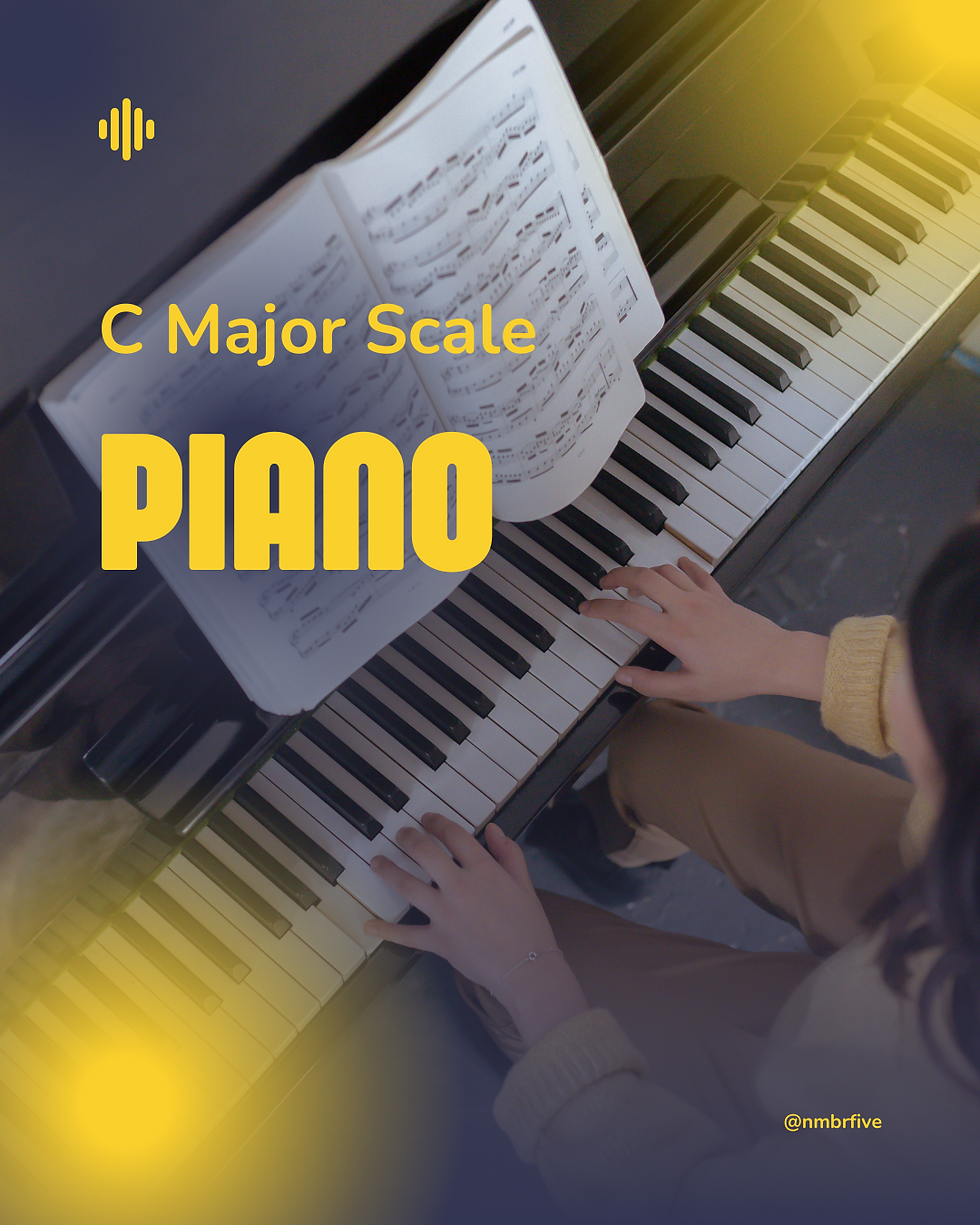
Organizations like NmbrFive LLC have developed Ear Training Flashcards: PitchPerfect, a digital flashcard system that plays C major scale notes to help users associate sounds with pitch and keyboard keys.
See an example of C major scale notes on flashcards here:
Ear Training Flashcards: PitchPerfect – C Major Scale
So, can you really fast-track music learning? While flashcards won’t replace hands-on training, they can accelerate learning when used strategically. The best approach is to combine ear training flashcards with active listening, where you transcribe melodies and chords by ear, playing by ear to test recognition skills on an instrument, and call-and-response exercises, singing back notes and intervals to develop pitch accuracy. By integrating these methods, musicians can build a well-rounded ear training routine that enhances both recognition and application.
In Conclusion, Flashcards offer a structured, efficient method to supplement traditional ear training, but true mastery requires real-world practice. If you’re looking to fast-track your learning, consider using NmbrFive’s Ear Training Flashcards: PitchPerfect alongside active listening and instrumental practice.


Comments